
Whoa!
I remember the first time I lost access to a wallet. It felt awful. Really? Yes. My instinct said I’d learned for good, but then reality bit back later when I tried to consolidate holdings across devices. On one hand I thought hardware wallets solved everything, though actually the ecosystem around them introduces new choices and risks that matter.
Here’s the thing. Managing multiple currencies is not just about storing coins. It’s also portfolio hygiene, frequent reconciliation, and cross-chain thinking. You have to think about day-to-day usability and long-term private key custody. Initially I thought a single device plus a backup was enough, but then I realized that the devil lives in the details—firmware updates, app integrations, seed phrase exposure, and so on.
Hmm… I’ll be honest: some parts of this process bug me. For example, app ecosystems that demand repeated connections make me nervous. I’m biased, but I prefer fewer touchpoints with my seed. The more a system asks me to move funds around, the higher the chance of human error.
Okay, so check this out—portfolio management starts with clear objectives. Short-term trading needs different tools than long-term HODLing. Medium-term staking or yield strategies change how you partition assets. You should decide whether each asset is for custody, liquidity, or speculation before splitting them across devices and accounts, because the way you split influences recovery complexity and daily operational risk.
Really?
Yes. You can chunk assets by strategy. Put cold-storage BTC and a few core altcoins on a deep-cold device. Keep a hot-but-managed device for day-to-day swaps and staking. Keep a watch-only setup for monitoring. This reduces the blast radius if a device gets compromised. But then again, watch-only means more eyes, which sometimes leads to accidental confirmations—so there’s a trade-off.
Whoa!
When you manage many currencies you need software that plays nice with different chains. Some wallets are fantastic for Ethereum-based tokens but less so for UTXO chains. That’s a technical headache for sure. Personally I use one hardware family for firm custody and one or two companion apps for daily ops, which spreads risk across both hardware and software vectors while keeping recovery straightforward enough to explain to someone you trust.
Here’s the thing. Backups are very very important. Write your seed phrase on a well-made steel plate or at least two written backups in separate secured locations. Don’t just photocopy a phrase and stash it in a desk drawer. I learned that the hard way—water damage and a moved safe made me panic…seriously.
Hmm…
Something felt off about using mobile photos as backups. That’s a tempting shortcut, but digital copies leak. My gut says paper is okay for short windows, but if you care about long-term survival, do metal. Metal withstands fire, floods, and time better than a sheet of paper. Also consider geographically separated backups for disaster redundancy, though balance that against the risk of too many people knowing where they are.
Really?
Yes — split the responsibility. Use a primary seed held in a trusted home safe, and a secondary copy with a lawyer or trust where legal privacy and access rules are clear. On one hand that reduces single-point failures; on the other hand it introduces legal exposure. Make that decision with some legal counsel if your holdings are substantial.
Whoa!
Let’s talk about private keys. They are not just a password. Private keys are the ultimate access vectors and need surgical care. Never, ever enter a seed into an internet-connected device. Never. My rule: if it touches Wi‑Fi, it shall not touch my seed phrase. I double down on hardware wallets for that reason—devices that keep keys isolated and sign transactions offline are invaluable.
Here’s the practical side. Use hardware wallets with a strong reputation and open-source firmware when possible. Multiple vendor ecosystems reduce correlated failure risk. That said, cross-compatibility matters—make sure your chosen wallet suite supports the assets you actually hold, otherwise you’ll end up juggling too many tools. Also keep firmware updated, but update only after checking community reports—don’t rush an update the day it drops.
Hmm… Initially I thought auto-updates were great; then I realized updates can brick or change UX in surprising ways. Actually, wait—let me rephrase that: auto-updates are okay if you have a safe rollback path and tested recovery steps, but if you depend on a device to access time-sensitive funds, delaying updates until vetted is often smarter.
Whoa!
Now—app management. Some users like centralized dashboards to see everything in one place. I do too, but that convenience comes with extra attack surface. Use watch-only setups for dashboards where feasible, and limit transaction signing to dedicated hardware. Also, check for signed binaries and official release channels to avoid fake apps. The temptation to use third-party aggregator tools is strong, but every added integration is an added vector.
Here’s a thing many don’t like to admit: transaction batching and gas optimization strategies are their own kind of portfolio management. Move funds strategically. Consolidate dust when fees are low. Rebalance with an eye toward fees and tax implications. This reduces clutter across addresses and devices, making recovery easier, and minimizing the number of places your private keys touch balances during active management.
Really?
Yes. Consider consolidating long-term holdings into fewer addresses when you can. This simplifies monitoring and recovery. But don’t consolidate everything at once if on-chain privacy matters to you, because large consolidated movements attract attention and can affect privacy and tax posture.
Whoa!
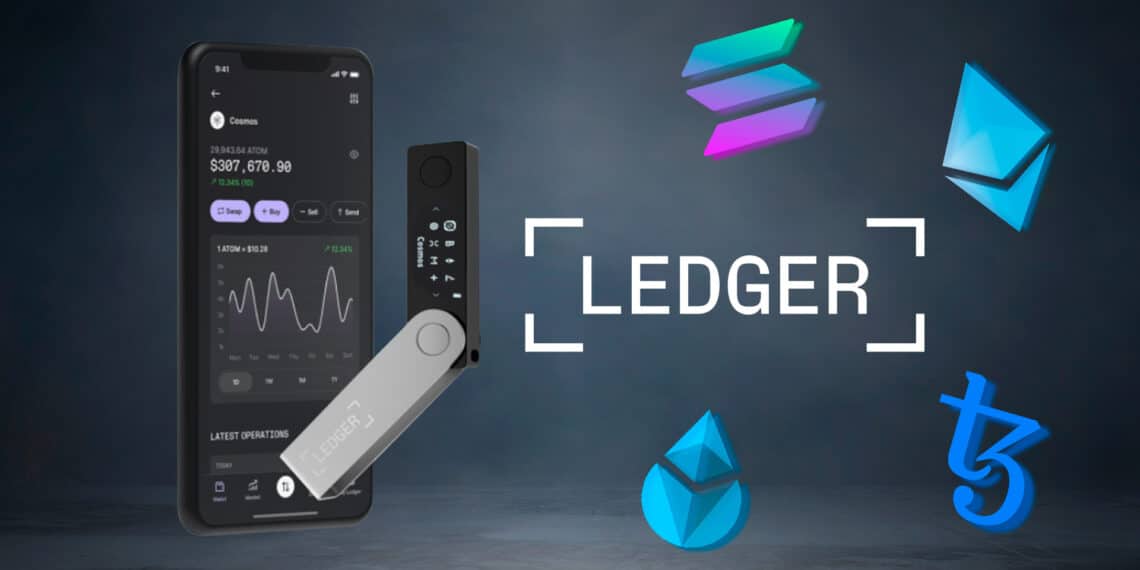
About multi-currency support—hardware ecosystems have improved a lot. Still, not every token is supported directly, and sometimes you need companion software to manage specific chains or layer-2s. For many users, a single trusted interface like ledger live acts as the primary control plane while hardware devices do the signing. That combo balances usability and security well, though you should verify every app interaction before approving a signature.
Hmm…
My advice: test recovery every six months. Don’t test with your whole stash. Use a small test wallet and go through the full restore process on an alternate device. This reveals forgotten steps, missing backups, or documentation gaps. Initially I skipped test restores; that was dumb. After a drill that revealed a corrupted backup, I never skipped again.
Here’s what bugs me about overcomplication—too many devices, too many seeds, and too many passwords become a management tangle. It’s easy to over-engineer your security so much that day-to-day operations become risky due to fatigue. Keep a pragmatic minimum: split keys when benefits outweigh complexity, and otherwise aim for simplicity with strong physical protection.
Really?
Absolutely. Decide on a recovery plan that a trusted confidant could execute if needed. Document step-by-step procedures in a secure, encrypted file or in a secured legal document. And make sure there are redundancies for the person who’ll act; if only you know every detail, that becomes a single point of failure.
Whoa!
One final practical layer: behavioral hygiene. Phishing attacks, malicious browser extensions, and social engineering remain the leading causes of loss. Don’t rush confirmations. When a device asks to approve a transaction, read the destination and amounts carefully. Pause. Breathe. Verify by independent channels when in doubt. My instinct saved me more than once when I paused and re-checked a supposedly routine transfer.
Here’s how I close the loop. I keep a lightweight checklist by my safe: firmware version, device serial numbers, backup locations, recovery drill date, and emergency contacts. I update it quarterly. It’s boring, but boring wins. The checklist reduces cognitive load under stress, and that is when human mistakes happen most.
Hmm… I’m not 100% certain about every future chain and custodial model. New multisig techniques and on-chain account abstractions change the game. But the principles hold: isolate private keys, reduce touchpoints, test recovery, and use strong physical backups. Some things will evolve, and that’s okay—adaptation beats rigid rules.
Quick FAQs and Practical Tips
FAQ
How many hardware wallets should I own?
Two is a solid baseline: one primary for active use and one cold backup stored separately. Add a third if you want geographic redundancy or multisig. I’m biased toward fewer devices if you can keep them highly secured, but redundancy matters for large portfolios.
Should I split my seed phrase?
Shamir or multisig schemes are excellent for high-value setups, though they add operational complexity. For most users, a single seed with geographically separated robust backups is simpler and safer. Decide based on holdings and your willingness to manage complexity.
What about firmware updates?
Delay updates until the community validates them, unless the update patches a critical exploit you’re exposed to. Test updates on a secondary device if possible, and always ensure you have tested backups before performing major changes.